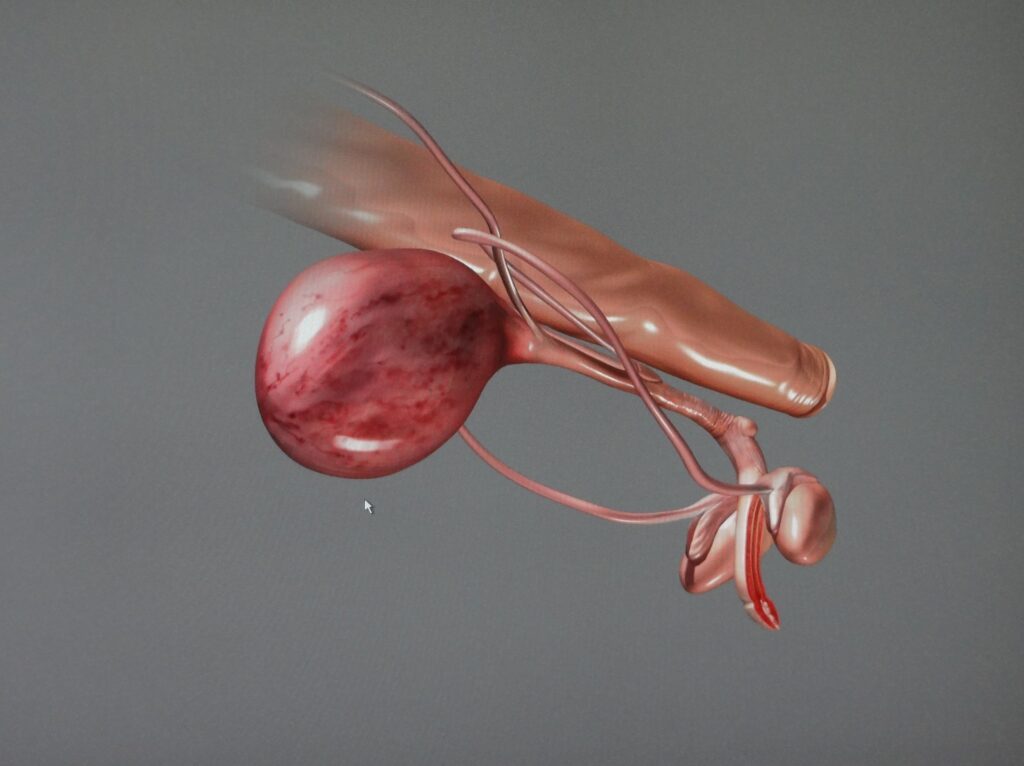
Cystotomy
Does your pet have bladder stones or repeated urinary obstruction? Are you considering a cystotomy? A perineal urethrostomy?
What is a cystotomy?
Cystotomy is a surgical procedure in which the surgeon has to make an incision into the bladder in order to correct a problem.
When is a cystotomy indicated?
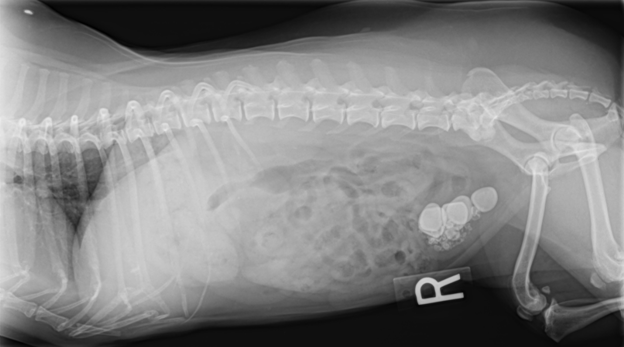
A cystotomy is indicated in the treatment of bladder stones, bladder tumors, urinary incontinence and urinary obstruction secondary to blood clots, stones or mucus.
What tests are needed preoperatively?
The type of diagnostic tests performed, depends on the animal’s age and general health. An abdominal ultrasound and/or abdominal radiographs may be performed to determine the specific problem within bladder and to evaluate other body systems. Typically, a general chemistry panel, complete blood count and electrolytes are conducted to evaluate your pet for any underlying problems prior to receiving anesthesia. A urinalysis will also be performed to evaluate kidney function and if there is an underlying urinary tract infection.
What is involved in a Cystotomy operation?
Since this is a surgical procedure involving opening the abdominal cavity, the animal needs to be placed under anesthesia. The operation takes about 1 hour to 1 ½ hours to perform. The animal will have an IV catheter placed. The patient will be maintained on IV fluids throughout the surgery and after surgery. The pet will also receive post operative analgesics to alleviate post-operative discomfort.
A sample of the bladder tissue and cystolith (bladder stone) will be submitted for histopathology and culture; respectively. The cystoliths will also be submitted to a lab for analysis to determine type. Test results will provide the Doctor with more information regarding long-term treatment and prevention. The doctor will contact you about these results within 5-14 days. Sometimes the stone analysis will take longer to return. Most often times, the pet will need to be placed on a specific diet for the prevention of stone formations.
What are the risks and complications of a Cystotomy operation?
There are risks with any type of anesthesia. General anesthesia has expected side effects to brain, kidney, cardiac and respiratory function which typically do not cause a problem, and are managed by the nurse anesthetist. Patients are placed on a multi-parameter monitoring device, respiratory ventilator and a blood pressure machine in order to closely monitor these body systems. Occasionally these side effects can be life-threatening in critical patients. Generally, the risk of anesthesia is less than 1 %.
Post-operative complications include infection, the incision breaking down (dehiscence), and hemorrhage (bleeding), urinary obstruction and bladder leakage. Hemorrhage is the most common complication and subsides in about 3-7 days. Occasionally, patients can develop a urinary obstruction from a blood clot. This is very rare.
What is included in postoperative care for a Cystotomy?
No running, jumping, or playing. If the patient is a dog, take on short leash walks outside. The patient needs to stay indoors for at least 10 days to help keep the incision area as clean as possible. Monitor the incision site for signs of infection, which include redness, pain, swelling, heat and/or discharge from the incision. Do not allow the patient to lick at the incision site. Licking promotes infection, will damage the incision and delay healing. Your pet will require an Elizabethan-collar to discourage licking; if he or she begins to lick. The collar will have to remain in place at all times until suture removal.
Typically, the pet will stay overnight in order to monitor the patient’s ability to urinate and to control discomfort with medications. Patients are usually discharged the following day provided your pet is comfortable, eating, drinking and urinating well. The patient will be sent home with medication to alleviate discomfort. Recheck with TVEC or your regular vet in 10 days to have the sutures removed. All of the patient history, post-operative instructions and test results will be faxed to your regular veterinarian.
Perineal Urethrostomy
What is a Perineal Urethrostomy?
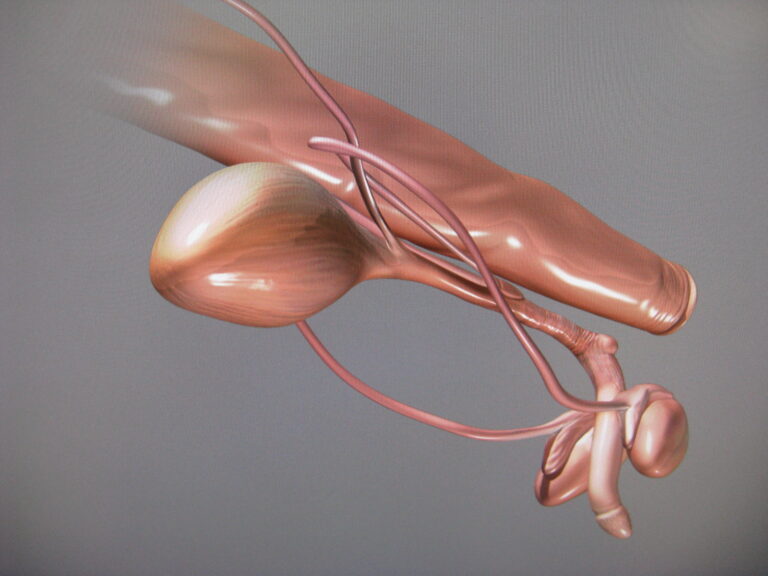
Perineal Urethrostomy is a surgical procedure in which an opening is created in the urethra, the channel that carries urine from the bladder.
When is a Perineal Urethrostomy surgery indicated?
Perineal Urethrostomy is performed in patients when the urethra is obstructed. Urethral obstructions can be secondary to uroliths (urinary stones) or grit, blood clots, mucus plugs, urethral spasm and/or scar tissue from recurrent episodes of obstruction. This surgery is commonly performed in male cats because anatomically they have a narrow urethra. Urethral obstructions are extremely rare in female cats because their urinary tract is much wider. Sometimes this condition can be managed medically, once the obstruction is alleviated with an indwelling urinary catheter. However, surgery is indicated if the patient has recurrent episodes of urinary obstruction or the obstruction can not be alleviated with a catheter.